
Three questions that sit beside any Malaysia housing loan
A housing loan is not only an interest rate. It is a long contract that assumes your income, your buffer and the land title under the house will stay workable for years. Buyers who rush the loan interview before they understand the land category often discover limits only after they have emotionally committed to a show unit.
Banks price risk. You should price friction: stamp duty, legal fees, insurance and the deposit you still need after the advertised package. Consumer education materials from the Association of Banks in Malaysia (ABM) are a calm place to learn the vocabulary before a salesperson fills the gaps for you.
What rate sheets leave out of the monthly number
Quoted rates look comparable until you ask about the effective cost, lock-in periods and how early settlement is treated. A short margin on paper can vanish once you add mortgage reducing term assurance and legal fees. Ask for a written schedule that shows principal and interest across the first few years, not only the headline monthly amount.
When you want a plain overview of how Malaysian housing finance is often framed for buyers, one developer education page offers a housing finance overview for first buyers that sits beside bank product sheets rather than replacing them. Hold both next to guidance from Bank Negara Malaysia on responsible borrowing.
A walk-through of how principal and interest combine in a monthly mortgage payment.
Stress-test the payment at a higher rate for a few years. If the household budget only works at the best advertised number, the loan is already fragile before you collect the keys. Keep copies of every Product Disclosure Sheet you receive so you can compare lock-in clauses later without relying on memory.
Landed layouts change more than the photo angle
Terrace, semi-detached and detached homes ask different questions about parking, outdoor maintenance and neighbour proximity. A long driveway looks generous until monsoon flooding or steep gradients appear on a second visit. Walk the unit at peak traffic hours if you can. Listen for highway noise the brochure never mentions.
Layout comparison pages such as this landed-home layout overview help you list questions before a site visit. They do not replace a surveyor, a lawyer or a wet-weather walk of the compound.
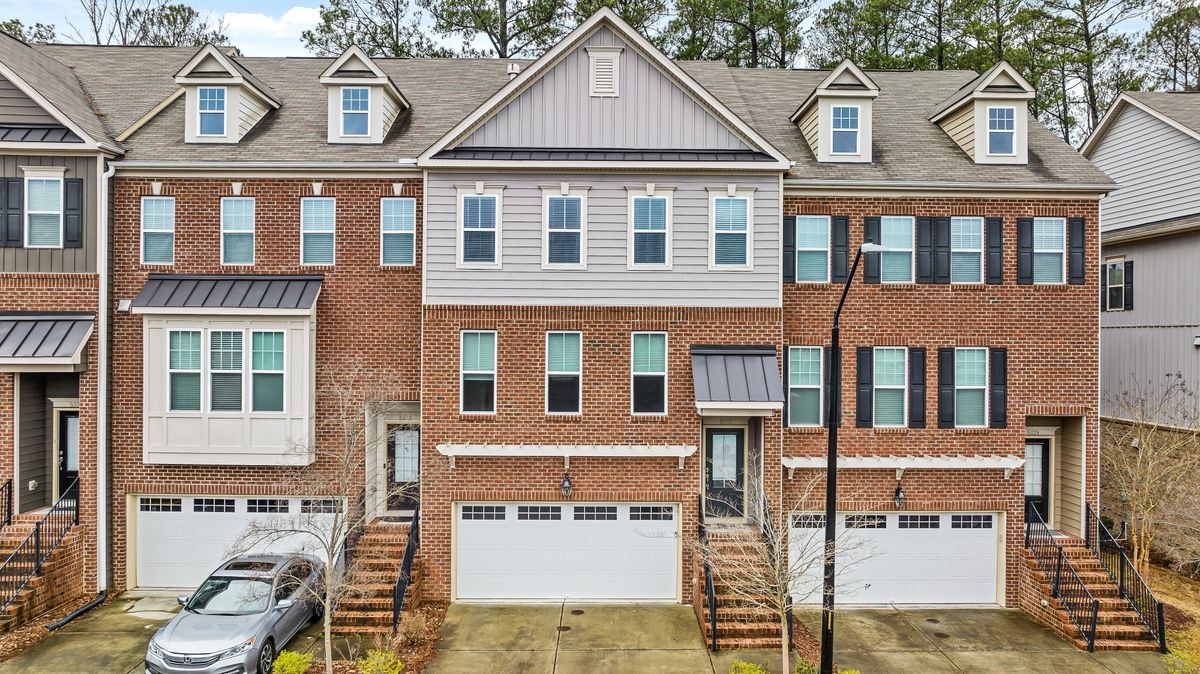
Ask which parts of the compound are common property versus private. Ask who pays when a drain between two lots fails. Those boring answers predict your first year of ownership better than show-unit lighting.
Malay reserve land needs a separate checklist
Malay reserve land is not a marketing label. It is a legal category with ownership and transfer rules that differ from ordinary freehold or leasehold lots. Eligibility, consent and future saleability all matter. Buyers who treat the topic as a footnote often discover it only when financing or transfer stalls.
Read a clear explainer such as this note on Malay reserve categories and then confirm details with a conveyancing lawyer who works in that state. Land administration references from JKPTG help you see how land administration is organised nationally, while state practice still governs the file on your specific lot.
Never rely on verbal assurances that a restriction is easy to lift. Ask for the restriction in writing, ask who can hold title and ask how a later sale to an eligible buyer would work. If the answers stay vague, slow down.
A quieter week of homework before any booking fee
List your true monthly ceiling after EPF, existing debts and a cash buffer. Compare two loan schedules side by side. Visit two landed formats in daylight and after rain. If Malay reserve rules apply, put the lawyer call before the booking fee, not after. The house you keep is the one whose paperwork and payment both survive an ordinary bad year.